The following is a transcript of our February 5th, 2026 interview with Priti Langer. The transcript has been edited for clarity.
The Poly: You graduated RPI in 1998. What led you to picking RPI?
Sure, I think I was very interested in education in the STEM area and I originally joined RPI thinking I was gonna go off to medical school, and they had a great dual degree in biophysics and biochemistry. But after I joined RPI, shortly thereafter I think I became really interested in the engineering program and I ended up moving over into engineering. And I just thought it was a school that really has practical hands-on experience and I really enjoyed that aspect.
Yes, you were a MechE, so the physicality of what you were learning that you enjoyed?
Yes, absolutely.
You ended up working in intellectual property law, do you work on engineering cases, and what led you to that instead of just straight engineering?
So I think I again, always sort of had a[n] affinity to do something with my science background. And originally I mentioned I was interested in medical school. I like writing and the aspect of being on my feet and talking and I realized I wanted to then apply my technical background in the legal field, and I had learned really about IP law during my time in college and thought that it would be a really good fit. So I did take a little bit of a break to study for the LSAT and went into consulting work for two years just to sort of prepare for law school.
I'm talking to you because you're a Go Red For Women Ambassador; you had a heart attack at 46 and then had some difficulty proving that you were having a heart attack to medical professionals. And I think people commonly say that engineers are kind of taught how to find problems and how to solve them. You know, is there any way RPI as a primarily engineering school helped you advocate for yourself and find solutions to your problems?
I think just in general, and I have to give a little context, I went to RPI almost close to 30 years ago, or approaching that. And I'm not 100 percent sure what the ratio was of men to women, but it was close to somewhere between 5 to 7, to 1 when I was going through it. And just being a woman and in the engineering field at that time as well, I think it just taught me to speak up and be heard. And I think that piggy backing into my legal career and being a trial lawyer, between the two, it really led to having a background where I could advocate for myself. And just going back to what you said about engineers being problem solvers, that was also really foundational for me for being able to just stay calm and cool and collected, and notwithstanding I was not being heard in the moment and believed about the seriousness of what I was experiencing. I was able to continue to push through that.
I really appreciate you becoming an ambassador, because I'm also a woman affected by these health issues and these are very serious health conditions people can have. What drew you specifically to becoming an ambassador? Would it be because you stood up, in your case of the heart attack and also your time at RPI that led you to want to help others stand up for themselves?
Absolutely. I think what I experienced that evening, I felt really fortunate, I have to be frank, to get out alive. And I think there were so many obstacles that were in my way that evening that if I didn't have, whether it was the education or the strong grasp of the English language or maybe financial means to not worry when the paramedics were asking me do you really want to go to the hospital? And I just felt really like I had everything in my capacity to be able to, and have the means to be able to push through all of that.
And after I got the treatment that I needed and came home, I started really thinking about what happened to me that night. I think it angered me and it made me think about all the other women who may not have had the ability to advocate for themselves and, and be turned away because they might look at the paramedics, as the gatekeepers, and medical professionals who know best. Or they might not be able to speak up in English and really advocate for what their medical needs were. And I think all of that was starting to really frustrate and anger me. And I don't think that that is how people should be treated.
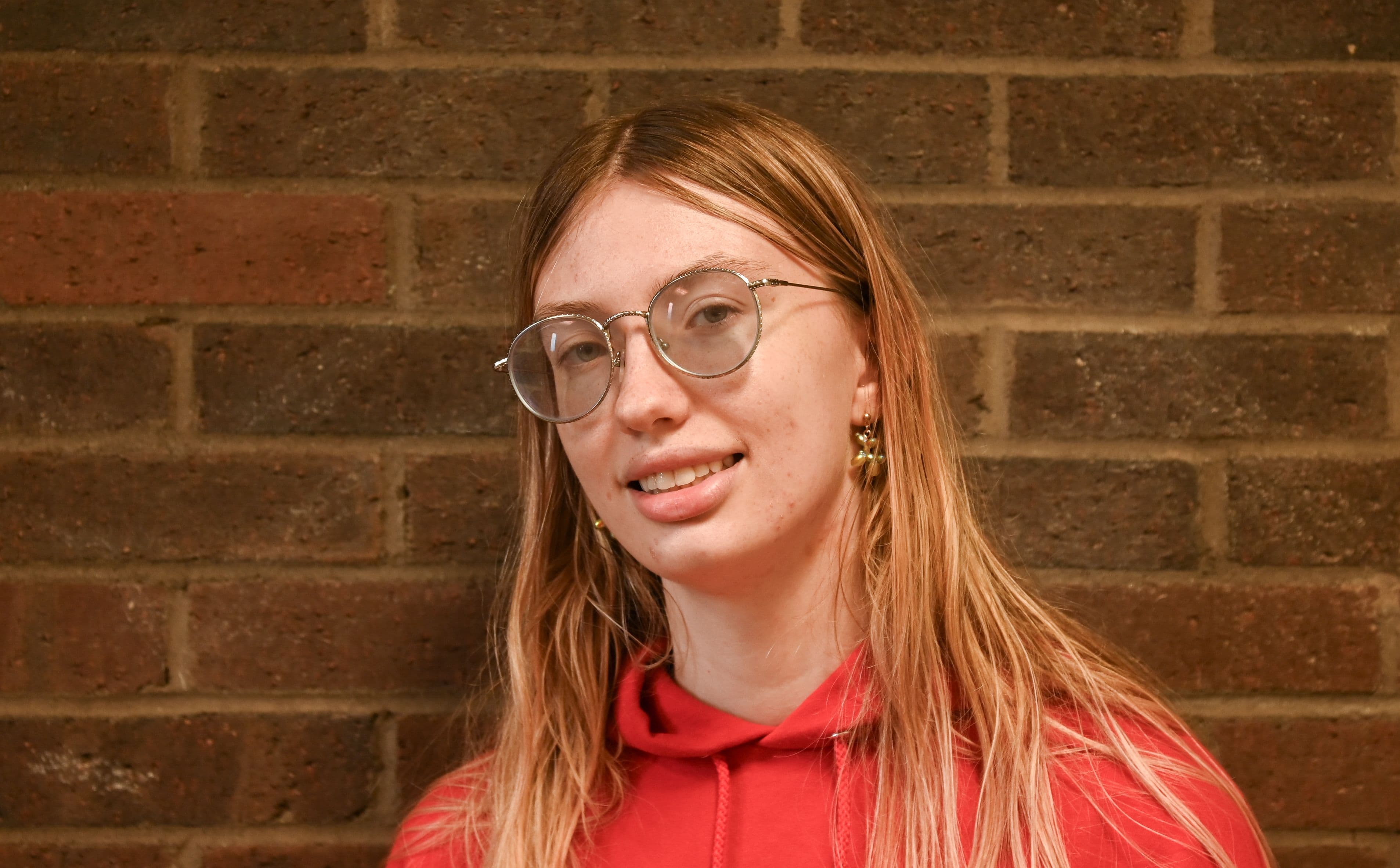
And so it really got me motivated to now that I have my health, and I'm doing really well to raise awareness too. And I think I'm a relatively healthy woman in my late 40s and to show people this is what the face of heart disease can look like. And along with my other 11 survivor sisters as part of the 2026 Class of Survivors, I think we show that there's no one face to cardiovascular disease and that anybody could really be a candidate for it. And so whether you're you're there with your friends and loved ones or you're talking to medical professionals, for them to also be able to recognize that those symptoms could be indicative of something much more serious and not necessarily be attributed to anxiety or stress, you know, things that are, are belittled that way.
So is that what you'd like to do in the future as ambassador? Show women that this can happen to them and in case it happens to them, speak up.
Yeah, absolutely. I think just it's to show that these symptoms are something serious, that women know their own bodies and should trust in that and to be their own health advocates and for people around them to also appreciate that these could be the faces of cardiovascular disease. So really for women to learn and be able to speak up for themselves and advocate and people that way. And then also to just educate the world that, you know, cardiovascular disease affects women. And so you should be thinking about heart attacks when you look at a a 40 year old woman. You know, you can't just dismiss it as something else.
You had to advocate for yourself as [one of] the only women. The gender split is a little better now. How that affected your case, I wasn't really expecting that side of it, but it's really nice to hear how that actually helped you in some way.
Yeah, right. And I'm so glad to hear that the gender split is changing. I think people just continue to push and push boundaries and deal with the gender disparities, right and and sort of trying to create equal footing for everyone. So I certainly got a great foundation [in] RPI to be able to continue on professionally. You asked me a question about tying my technical background to the work I did. And so while not specific, I did do some mechanical engineering litigation, although that wasn't sort of the thrust of it. But I think RPI gave me a really good foundation for being able to just understand and distill all different types of technology. And so then I was able to move between a lot of different technology areas while I was. RPI gave me that nice cross disciplinary education to help that.
Even if you don't specifically go into mechanical engineering, there's still a lot you can learn from the experience.
That's right. And to be able to then apply that across the board. So when you're talking about that litigation, you're talking about pharmaceutical litigation, semiconductor litigation, just about all different things, consumer products. And so just having that really good solid technical foundation allowed me to be able to move between all of those technology areas, which is what you do see in IP wallets. You know, it's rare to just focus and do only one type of case lawyers kind of moving between all of those. And I think having that great technical foundation allowed me to do that.