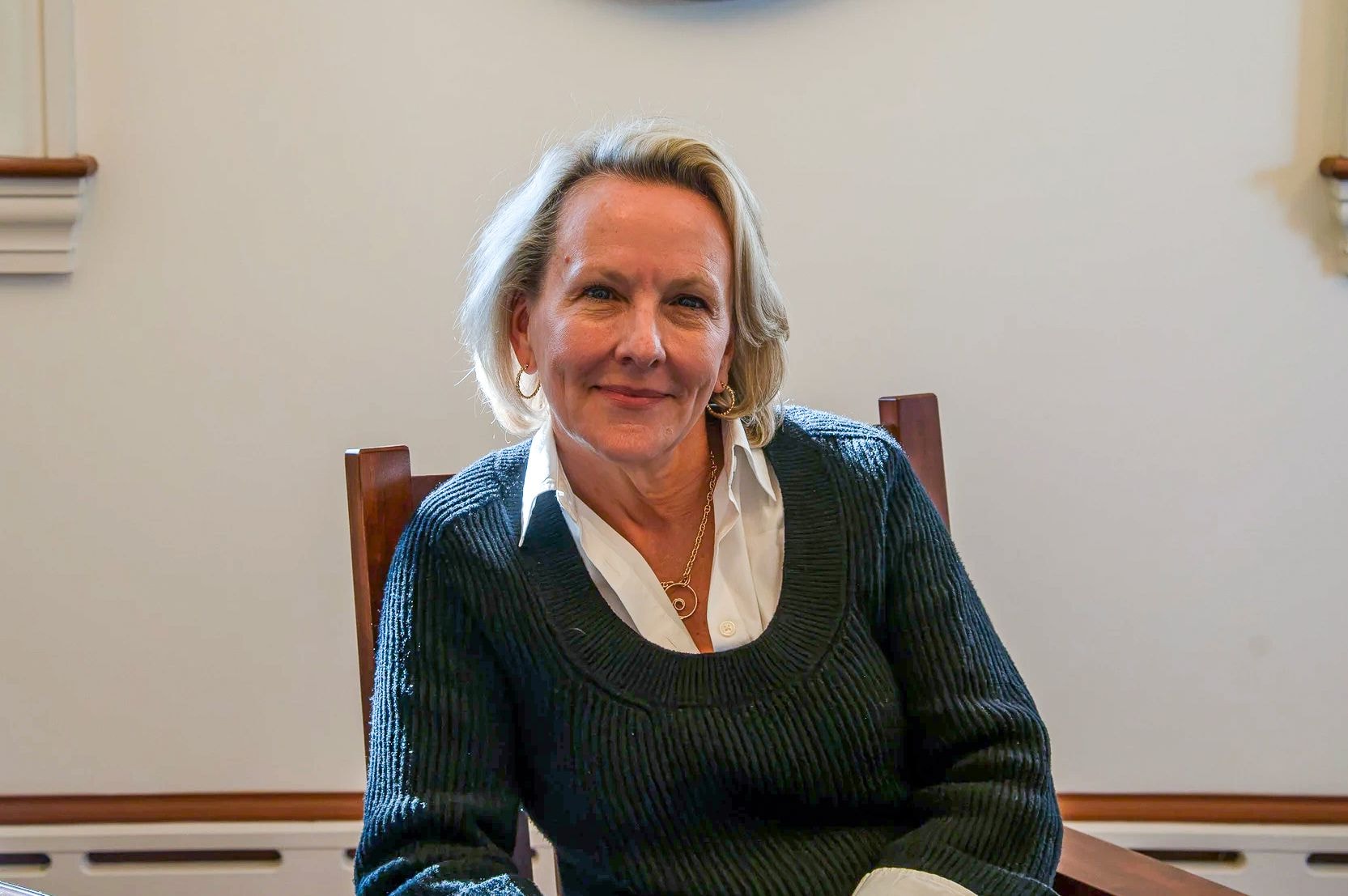
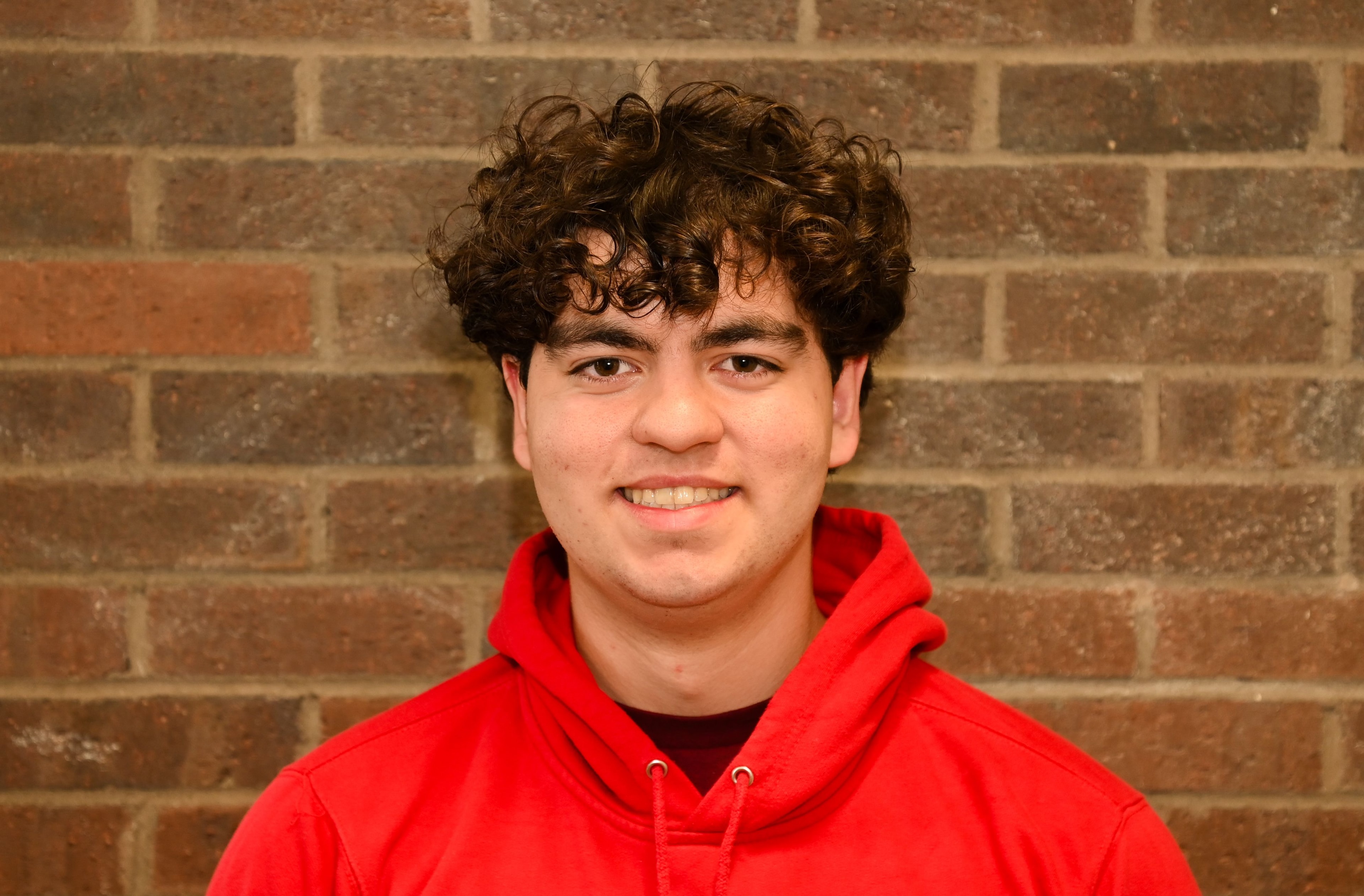
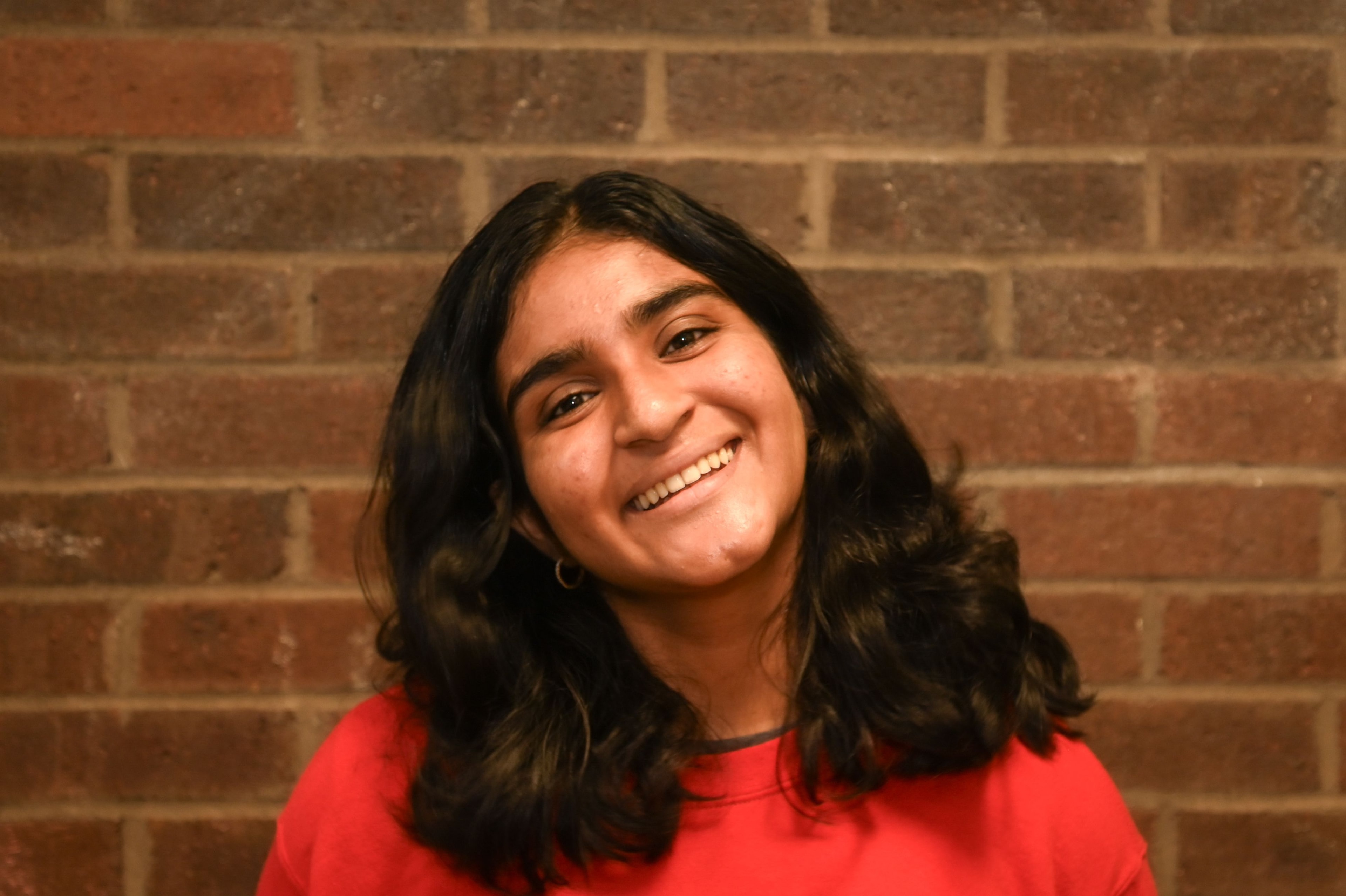
Provost Rebecca Doerge was a Professor of Statistics at Purdue University for 21 years before she served seven years as Dean of the College of Science at Carnegie Mellon University. After arriving at RPI in Fall 2023, she spearheaded an organizational restructuring of the main administrative departments that run our campus: the Office of Student Experience, previously known as Student Life, Enrollment Management, which covers admissions and financial aid, the Registrar, and Athletics now come under the purview of the provost which had previously reported directly to President Martin A. Schmidt ’81. The number of deans also dropped from six to five, after RPI’s online education departments consolidated into RPI at Work, and the Office of Institution Research was retitled to serve as RPI’s main data center. The nature of this restructuring was incredibly disruptive, which has made it the hardest decision Provost Doerge has made in her time here alongside President Schmidt, as she revealed in an interview with The Polytechnic. Nevertheless, she strongly believes that this has facilitated a greater degree of communication between departments, stating that offices in previous iterations were “siloed” and unable to communicate effectively.
When questioned about the recently proposed AI major, Provost Doerge reaffirmed that the degree is far from completion, with approval from the New York State Education Department still pending. Last semester, the Department of Computer Science faculty and students participated in a four-hour long Town Hall discussion in which the robustness of the proposed curriculum and its failure to address the ethics of AI were critiqued. Doerge was firm in the belief that the major, in whatever form it will take, will lead to jobs for graduates and be “forward thinking.” She did not respond to the grievance concerning lack of ethics. In the meantime, an AI minor is being modelled after the Quantum Computing minor and is open to students in any major. Provost Doerge has requested for this new minor to be available by Spring 2027. She likened pairing these minors with cross-disciplinary majors to diversifying a financial portfolio, a keen insight that captures the spirit of the “forward thinking” mindset RPI is working towards.
AI is also being tested in the classroom. Last semester, Senior Lecturer Thilanka Munasinghe piloted AI tutors in his quantum computing course. The tutor only pulled from the subject matter provided by Munasinghe and gave feedback to students based on the limits of its sandbox. Questions it could not answer were sent to the professor, and it also tracked where the student was struggling, following up with suggested materials to help them get back on track. The goal of these tutors is “to supplement the professors…not to replace the professors.” Munasinghe is planning to run the pilot again in order to collect more data, with Doerge confirming that there are no plans at present to extend the program to other courses.
Given Provost Doerge’s background as a statistician, she emphasized the data-centric nature to grade the health of academic departments based on student demand, the delivery of a modernized education, and graduate placement. Through her office’s endeavors, the institute also hired Hanover, a consulting agency, to analyze job markets and the placement of graduate students at peer institutions. In particular, she compares RPI academics via the “nearest neighbor” analysis, which comprises Rochester Institute of Technology, Worcester Polytechnic Institute, Stevens Institute of Technology, Lehigh University, and CMU. Additionally, they track “aspirational peers,” such as Massachusetts Institute of Technology, that the school competes with for students.
Provost Doerge declined to comment on President Schmidt's statement at the Fall Town Hall about how RPI did not renew some teaching contracts this past spring, citing the privacy of the employees involved.
Federal research spending fell 17 percent from 2025 to 2026, a gap President Schmidt said had been filled by foundation, state, corporate, and donor support. When asked about the fairness of the distribution of that income, Doerge reiterated that federal funding was uneven to begin with. For example, the School of Architecture relies on arts and private foundations, with fields in communications and media receiving little to no research funding to begin with. In addition, the cancellation of grants already in progress has hit most universities especially hard, especially when departments commit to enrolling graduate students and purchasing equipment. However, RPI is much better positioned than many other institutions due to its focus on microelectronics, quantum, and AI. “I want to build in the right areas so that when Washington D.C. [changes] direction…we’ll already be there.”
Doerge also mentioned the ongoing restructuring of the School of Humanities, Arts, and Social Sciences, to conform to the institution's STEM-centric ideals. In particular, Doerge is working on a rebrand to the HASS department to “reflect the human experience” and commit to the intersectionality of RPI academia.
Looking a bit ahead, Doerge said that her goal for the next year is to stabilize enrollment for a predictable class size and keep improving the student experience for it to become: “simpler, kinder, gentler, [but] not less rigorous.”