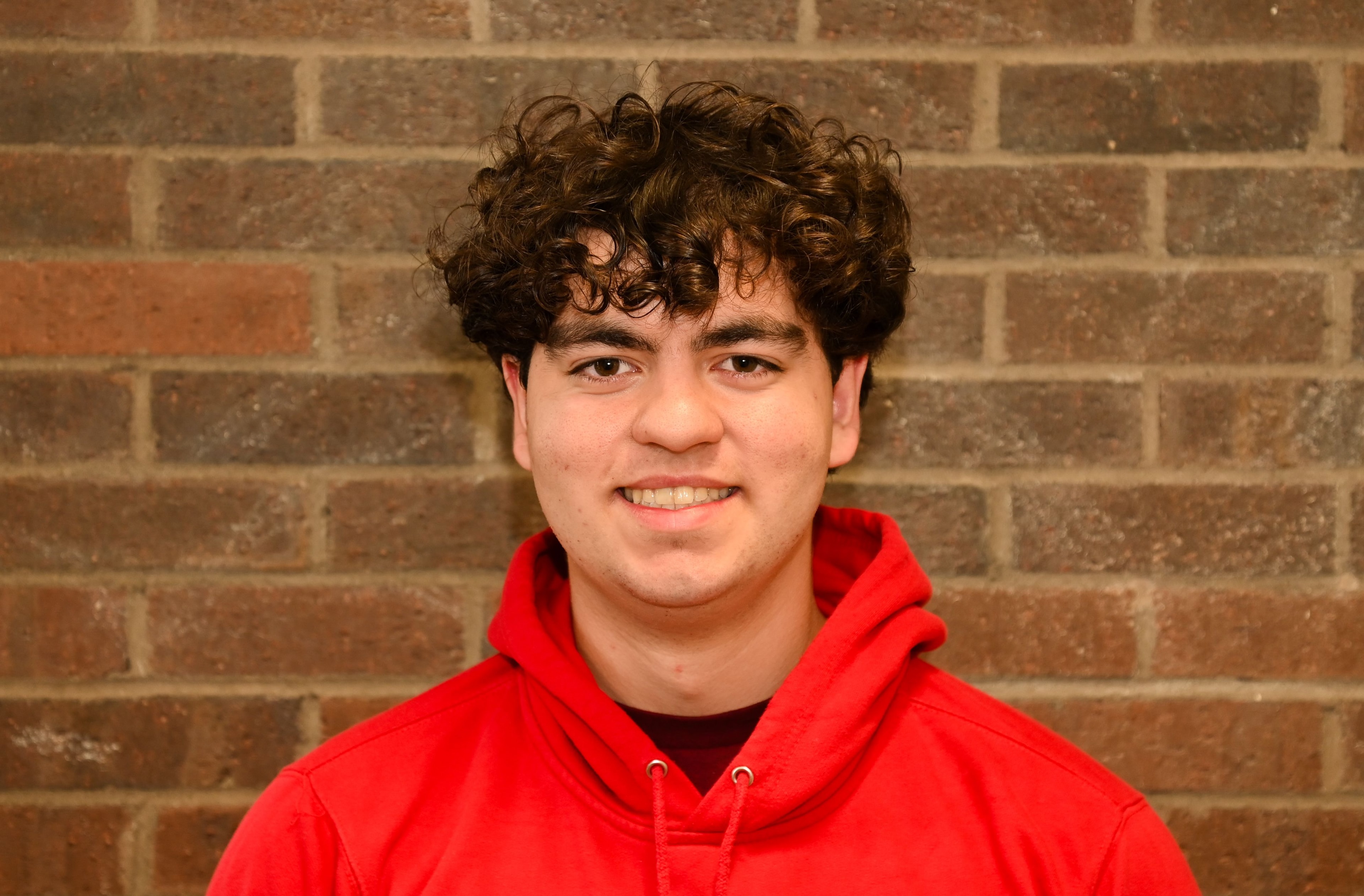

Thomas and Constance D'Ambra Professor in Organic Chemistry Dr. Christopher Cioffi is the principal investigator for a research group on campus that has made massive advancements in the research and discovery of several drugs. Major projects of his research group include a treatment for neuropathic pain, a drug for macular degeneration, and antiviral drugs for chronic COVID-19.
Dr. Cioffi was introduced to drug discovery research as an undergraduate at RPI, where he researched medicinal chemistry in steroids. When Dr. Cioffi returned to RPI for graduate school, he researched under Dr. Mark Wentland, now a Professor Emeritus. During Dr. Cioffi's time in the research group, the team worked on the development of a molecule called Samidorphan, which nullified the side effect of rapid weight gain when taking olanzapine, an antipsychotic used to treat bipolar disorder and Schizophrenia. Together, the molecules created the FDA approved drug Lybalvi, which is currently in use as a prescription medication.
After completing his doctorate, Dr. Cioffi spent 16 years in the industry working for Albany Molecular Research, Inc., now Curia Global, where he developed Tinlarebant, a drug that treats Stargardt disease, a rare inherited retinal disease that is the leading cause of blindness among adolescents. Tinlarebant is currently in the final stages of FDA approval. The designed drug aims to treat two types of macular degeneration: atrophic, or age-related, macular degeneration and type 1 Stargardt Disease, which is an inherited disease that presents in juveniles. They discovered both diseases were caused by an overproduction of a toxic side product called bisretinoids during the visual cycle of your eye. The group developed a drug called a visual cycle modulator that reduces retinol production in the visual cycle, thereby decreasing bisretinoid production in the retina.
A major project for the Cioffi group is the treatment of neuropathic pain. Neuropathic pain is a form of chronic pain caused by an injury to the nervous system, such as a herniated disk, diabetic neuropathy, or an infection. Currently, the best way to treat neuropathic pain is with an opioid painkiller, but patients can fall victim to opioid addiction and abuse, a trend that has skyrocketed in recent decades. Dr. Cioffi’s research aims to develop a non-opioid medication that provides the same relief and significantly decreases the likelihood of opioid addiction. Dr. Cioffi is primarily focusing on inhibiting Glycine Transporter 2 (GlyT2) proteins that deliver signals in the central nervous system. This research is part of a global collaboration, with RPI designing the molecules, the University of Sydney testing the inhibition of GlyT2, and the University of Copenhagen providing images of the molecules binding to the GlyT2 proteins.
Unfortunately, due to budgetary cuts under the Trump administration, several drug discovery projects under the Cioffi group have been put on hold. The research into the antiviral COVID-19 drugs was also put on hold for roughly a year. In particular, Dr. Cioffi cited internal turmoil at the NIH, the backer of the majority of drug discovery grants, as a major obstacle in obtaining the necessary resources. In regards to these budget cuts, Dr. Cioffi found himself submitting eight grant applications this year as opposed to his regular three to four. Such funding issues harm the entire research infrastructure of RPI as fewer grants means fewer research opportunities, thus staggering the number of graduate students as well as professors.
In an ideal future, Dr. Cioffi would like to continue developing the GlyT2 Inhibitor to FDA approval. As far as future projects are concerned, Dr. Cioffi would like to pursue treatment of a genetic neurodevelopmental disease called Rett Syndrome and continue working with Dr. Costa Petrukhin, a Professor of Ophthalmic Science at Columbia University, on the treatment of ocular diseases.