Socialism looked good on paper. For Karl Marx, he probably thought he had finally come up with a plausible way to solve the world’s various economic problems, and eliminate the class gap between the wealthy and the poor. Marx, however, designed his economic structure based on an idealized society where social loafing and power struggles would be absent; where a benevolent government would work for the people before transferring economic power to the people.
The world saw the outcome of socialism—it did not work—neither will the notion of extending monetary payment to NCAA student athletes. Over the past several years, the thought of actually paying college athletes has grown thanks to the inception of the Collegiate Athletes Coalition, headed by former UCLA football player Ramogi Huma. Huma, along with others, went about promoting the excessive amount of revenue the NCAA and its Division I-A members garner from television rights, ticket and team apparel sales and sponsorships, and alumni donations.
The NCAA makes over half a billion dollars each year from CBS for the privilege of televising the NCAA men’s basketball tournament, and makes over $184 million from 28 bowl games, which is then redistributed to the conferences. This is truly an example of the rich getting richer.
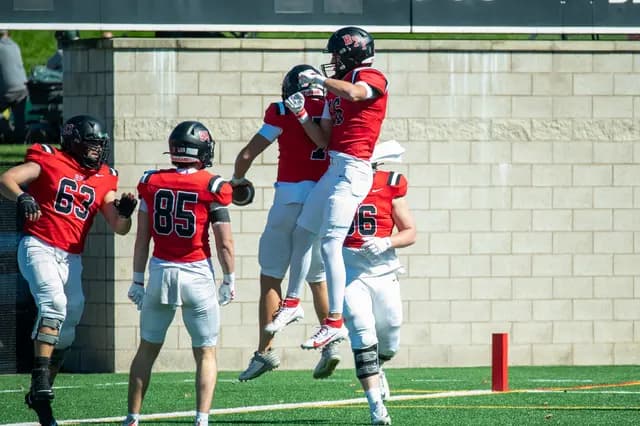
Proponents to player payment argue that athletes have neither the time nor the means to work, attend classes, and participate in practices. Legendary Georgetown Basketball Coach John Thompson, recently retired, pointed out that research students get paid for making universities money, and athletes should as well. The state of Nebraska has already passed legislation that will provide stipends to its football players, and Texas and California are considering passing similar laws.
This a controversial and dangerous issue the NCAA is now considering. A recent forum shown on ESPNU brought together parties from both sides, including NCAA President Myles Brand ’64, to the discussion, and heated discussions occurred. Brand has held firmly to his statements that “We have a model for paying players. It’s called professional sports.” Brand also mentioned the NCAA has set aside over $750 million dollars over the next 11 years that will directly benefit athletes, particularly those in financial need.
Frankly, Brand is right on more than one level. From an idealist perspective, these players are amateurs! For some, they are being given the gift of education with full room and board and all educational expenses paid for.
Secondly, from a practical perspective, like socialism, the concept of paying athletes is just not practical. Division I is already rampant with violations of players illegally receiving money; any version of a limited payment system would only exponentially increase these and other infractions.
Like socialism, the principle behind the concept is respectable, and would work in a utopian society. Sadly though, this society, and especially the sports world, is a corrupt and cutthroat industry, and the corruption would run wild. Competing colleges seeking the best recruits would create bidding wars as schools offer higher benefits to desired recruits “based on economic need.” The cost of living would “increase,” and inflation would give institutes the ability to offer higher salaries.
Also, let’s not assume athletes are little angels either. Is it so hard to believe that athletes could use their economic aid for other accessories? Not all college students are responsible with money, so what makes schools and the NCAA believe an athlete from a poor city, for example, who has never had a dime in his life, will suddenly use all of his stipend on simply the necessities and not the latest bling?
Let’s not forget; schools are in the business of making money. Higher education is a business and sports programs are part of that business, either as an expense or revenue generator. So where will the money for this “aid” come from? Will it force strapped athletic departments to shut down other sports, financial aid to be diverted from other students, and tuition or ticket price increases? And what about schools that don’t make money from their sports programs? According to the NCAA, only 40 Division IA sports programs actually operated in the black in 2001, but that number has risen since.
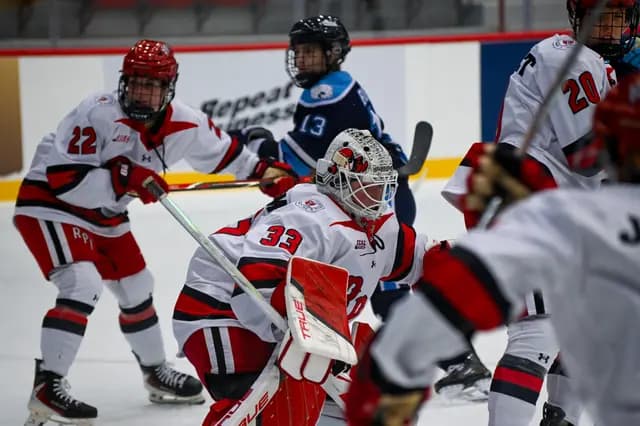
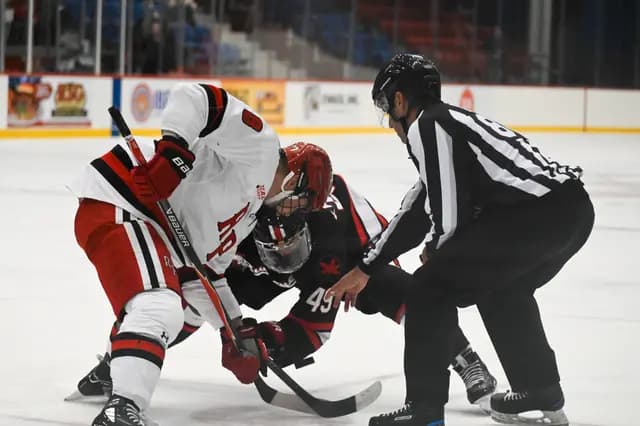
Locally, the issue becomes even more complicated at an institution such as RPI. How will Rensselaer, with both D-I and D-III sports be affected? Will Division III athletes be given money? They spend as much time practicing as their D-I counterparts, they take the same difficult courses, they are equally pressed for time to work a second job, and the D-III athletes don’t even recieve athletic grants; shouldn’t they then get a slice of the pie, or maybe even deserve it more since they are also paying tutition?
The principles behind both socialism and the payment of NCAA student-athletes are respectable, but not practical. There are simply too many issues that would seek to undermine the idealism surrounding amateur sports. So perhaps the real question is; is the NCAA and its members ready to sacrifice one ideal for another?
Editor’s Note: The opinions expressed in this article are those of the individual writer and are not necessarily held by The Poly or the sports department.