.jpg&w=3840&q=75)
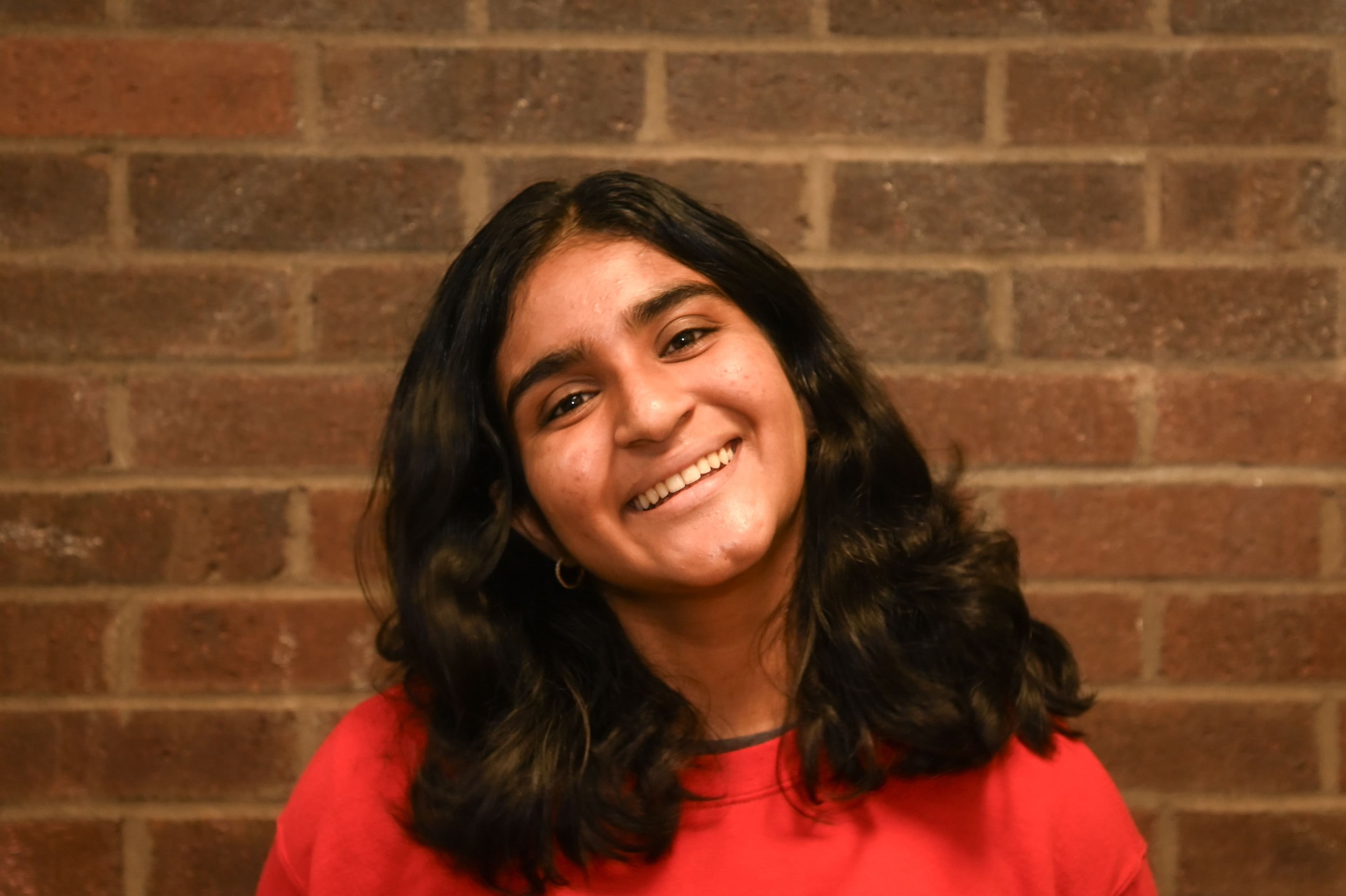
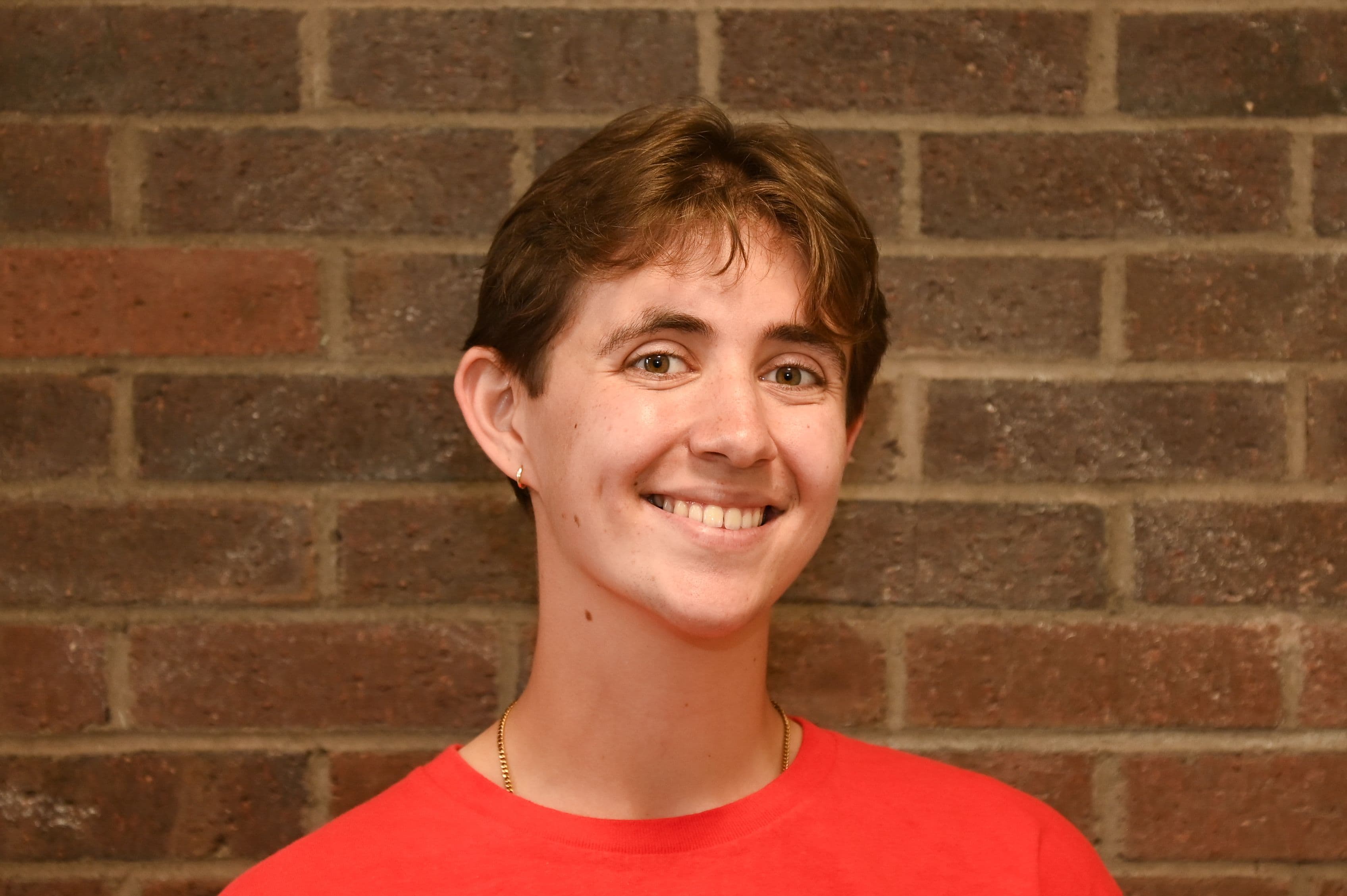
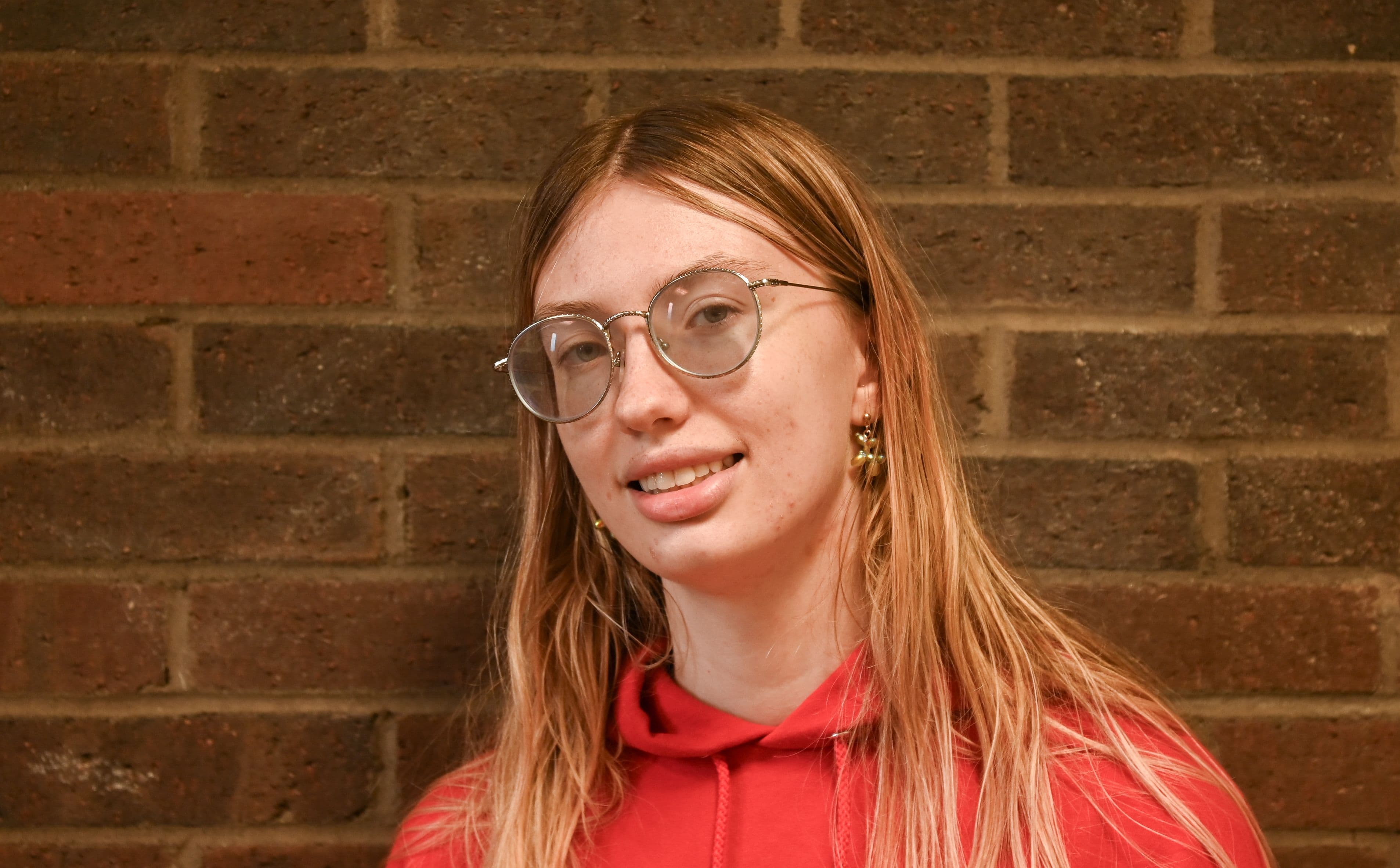
Elections Commissioner Caleb Carr ’25, ’26G and Vice Commissioner Lauren Antao ’28 hosted the Grand Marshal Week 2026 debate in the evening on Wednesday, March 25. The Grand Marshal, President of the Union, Undergraduate President, and Graduate President candidates went head-to-head on their policies, goals, and ideas. Competing for GM are Jordan Krishnayah ’28 and Zach Nobles ’27. The PU candidates are Kate Goldstein ’26, ’27G and Toby McDonald ’26, ’27G. Grace Meehan ’28 is the only candidate for UP and Melissa Flores ’29G is the only candidate for GP. A new challenge posed by the EC this year was that the candidates were not allowed to access previously prepared notes during the debate, forcing them to answer questions off-the-cuff.
In opening statements, Nobles emphasized his focus on bringing back RPI traditions, community building, and being a spokesperson for the student body at large. Krishnayah emphasized his work on improving the visibility of RPI through his work on social media, pushing to “reimagine the [RPI brand] as a whole”. McDonald talked about the looming issue of a decreasing student body at RPI as the Class of 2026 graduates and colleges across the country face a decrease in student applications, which will lead to less funding for the Union. Goldstein emphasized her experience on both the E-Board and within other clubs, through which she has identified shortcomings in knowledge of club financial documentation and resources. Meehan noted that the Undergraduate Council is an advocacy group, and as such is driven by student feedback. Flores emphasized the lack of connection that many graduate students feel with each other, due to a focus on their personal research goals within their academic departments and a lack of motivation to connect with people on campus.
Both of the GM candidates were asked about one specific, concrete project they can complete under their power as GM that they promise to accomplish by the end of their term if elected. Nobles plans to increase student government outreach by meeting with as many clubs as possible and enforcing senators’ committee and attendance requirements. Krishnayah stated that he wishes to rehaul RPI’s public image by leveraging social media content, brochures, and having students maintain more active roles in outreach to represent their experience at RPI. He also mentioned creating a coalition of clubs and student organizations to make content representing the RPI experience.
An audience question touched on the strained relationship between Senate and Fraternity and Sorority Life , where the seat on the Commission on Greek Affairs has been vacant for over a year. Both candidates agreed that the position needs to be filled in order to help repair the relationship. Nobles’ strategy is to attend FSL meetings directly to ensure those organizations have reliable allies in student government. Krishnayah argued that FSL does not believe that they benefit from the work that student government does, and proposed co-organized events and fundraisers to give both parties the opportunity for a shared stake in the outcome.
During cross questions, Nobles asked Krishnayah why he wanted to be GM in regards to the ways he intended to use the role. Krishnayah responded that as GM, his goal is to be a role model for the student body, inspiring students to do fun things on campus like postering in the tunnels, and helping maintain tradition. In return, Krishnayah questioned Nobles on enforcing committee requirements, asking how Nobles would easily achieve it when it has been a long-term issue in terms of approval of requirements among senators. Nobles said that he was unaware of senators disliking attending committees, but that many of the senators he had talked to said that they believed attendance was poor because no one had ever pushed for it.
The PU candidates were both questioned on topics such as management of the Union’s tight resources, and how financial allocations will continue to change with the recently paid-off debt. Goldstein stated that her priorities were facilities improvements that directly benefit clubs, possibly creating a more easily accessible table storage closet near the 15th Street entrance for when clubs table at the Union. Additionally, she wishes to act on the discussions around upgrading the technology infrastructure across the third floor of the Union for cleaner and more efficient use by clubs and organizations. McDonald agreed that saving for larger facilities investments is fiscally responsible, and letting it lapse would be a mistake.
McDonald repeatedly cited his thoughts on the weary state of the Playhouse during the debate. He explained that due to the investment required now to tear it down and rebuild it entirely, members of the administration have been eyeing the space as valuable real estate. He wants to push for a capital fundraising campaign while also exploring options to create a performing arts contingency fund. Goldstein agreed that rebuilding is the way forward, and the path there relies on more coordinated advocacy between the Union and performing arts clubs and organizations.
In a line of direct questioning, McDonald was asked about the waste in the Union’s administrative budget, which has historically not gone under the same scrutiny as club budgets. He elucidated that this happens sometimes because the SARPs reviewing the line items are not truly aware of how these items are used. He warned that without systemic reform, these patterns of waste tend to creep back. Goldstein was held accountable for the timeline on the Special Group on Club Classifications being extended twice without fully delivering. She defended their slow but sure progress, stating that the reclassification process was inherited and that her process of going back through historic procedures and bylaws to address root causes helped create a more structured club classification and renewal process.
Each candidate was given 90 seconds to give a closing remark. Candidates thanked the audience for their attention, reiterated their platforms, and encouraged all students to cast their vote tomorrow.
Voting will be held Thursday, March 26 from 8 am to 8 pm at Commons Dining Hall, DCC, the Union, and the Mobile Polling Van. Students who requested an absentee ballot will receive one through their school e-mail. Final election results will be announced on Friday, March 26, at the GM Week Final Ceremony.