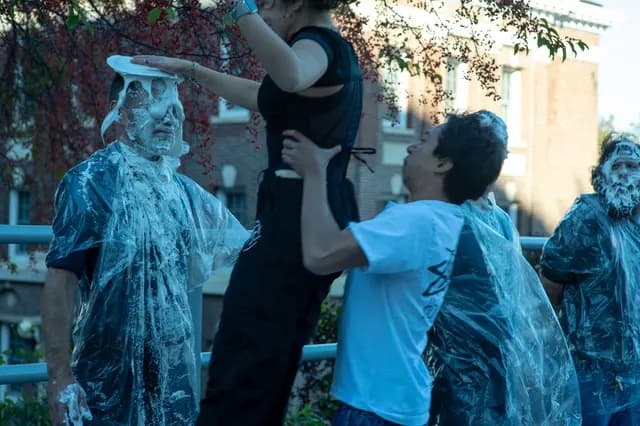
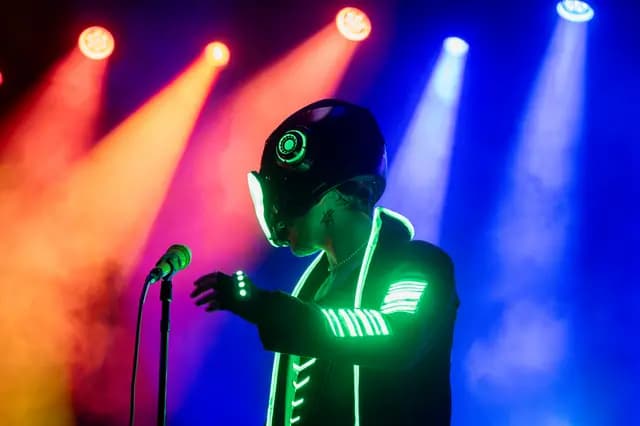
The Experimental Media and Performing Arts Center held the TOPOS music festival from Wednesday into the weekend, exploring the mix of music and film as a means to bend genre conventions. Bringing in artists from around the world, TOPOS invites the audience to interact with diverse cultures, eras, and philosophies surrounding the creation of audio-visual works.
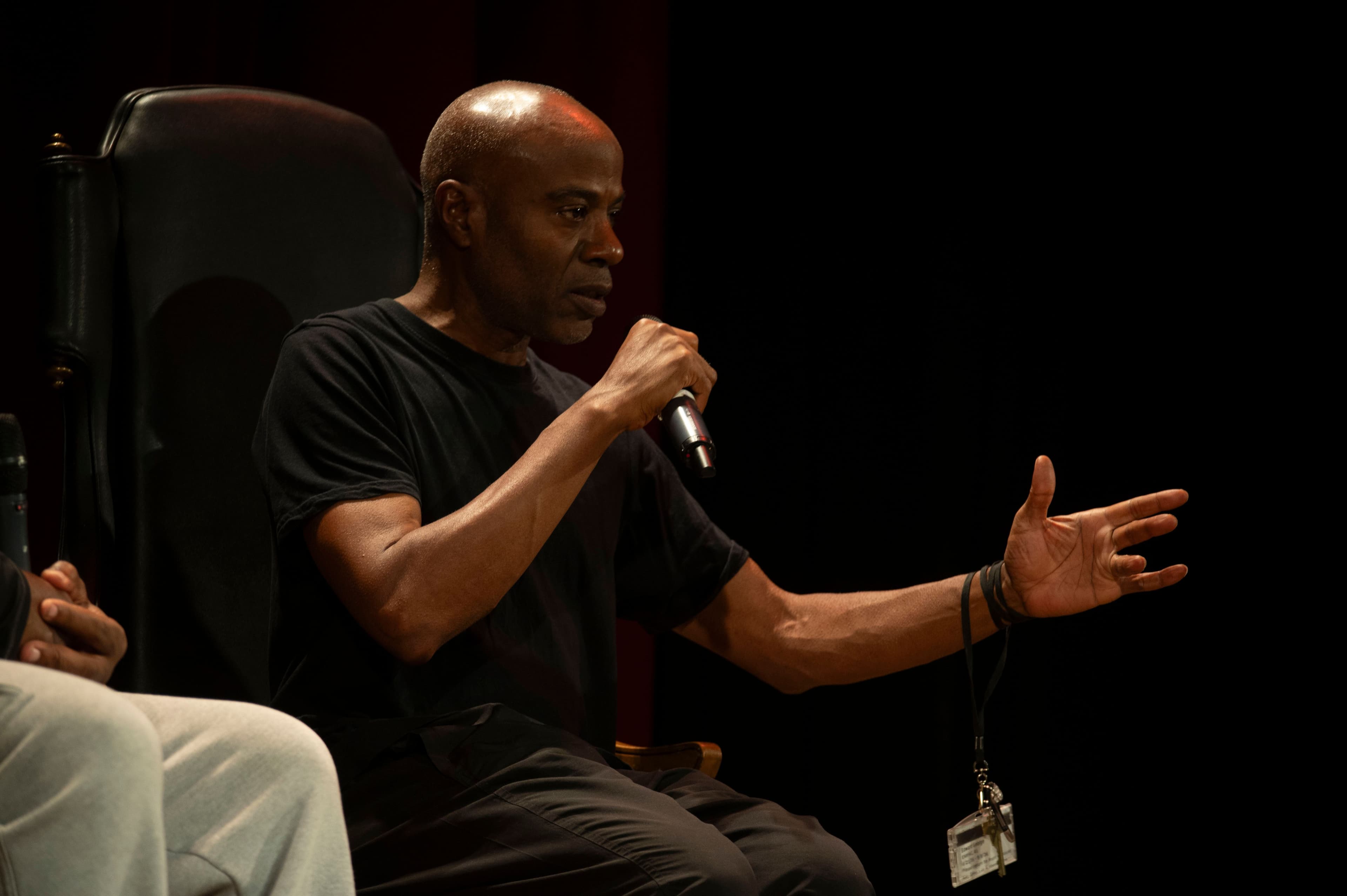
On Wednesday night, live from the charming Sanctuary for Independent Media, TOPOS Music festival set the tone with the first of 7 main events: Edward George’s Black Atlas. The film consisted of a slideshow of images from the Image of the Black archive, commissioned from the Warburg Institute, set to a piercing yet calm and collected narration by the director, accompanied by a guttural, haunting electronic free-jazz score by Seymour Wright and Crystabel Efemena Riley. Through this project, which takes the viewer on a non-linear journey through some of the darkest portions of world history, Edward George shines a light on the unseen stories of slavery, giving a name to a people who, through an institution as psychologically brutal as it was physically violent, were often denied the use of one. Contrasting the visceral, disturbing, and at times nigh-unbearable imagery, the director's narration and use of sound seeks to guide us through the hellish landscape of history while still maintaining a connection that prevents the viewer from losing themselves to the horror of what we bear witness to. While undeniably an uncomfortable watch, Black Atlas, in its short runtime, manages to accomplish some incredible feats; connecting the viewer to a time in history characterized by a great trauma through a lurid looking glass, tempered by a commanding voice, creating a project that’s provoking, difficult, but never descending into the pitfalls of hopelessness.

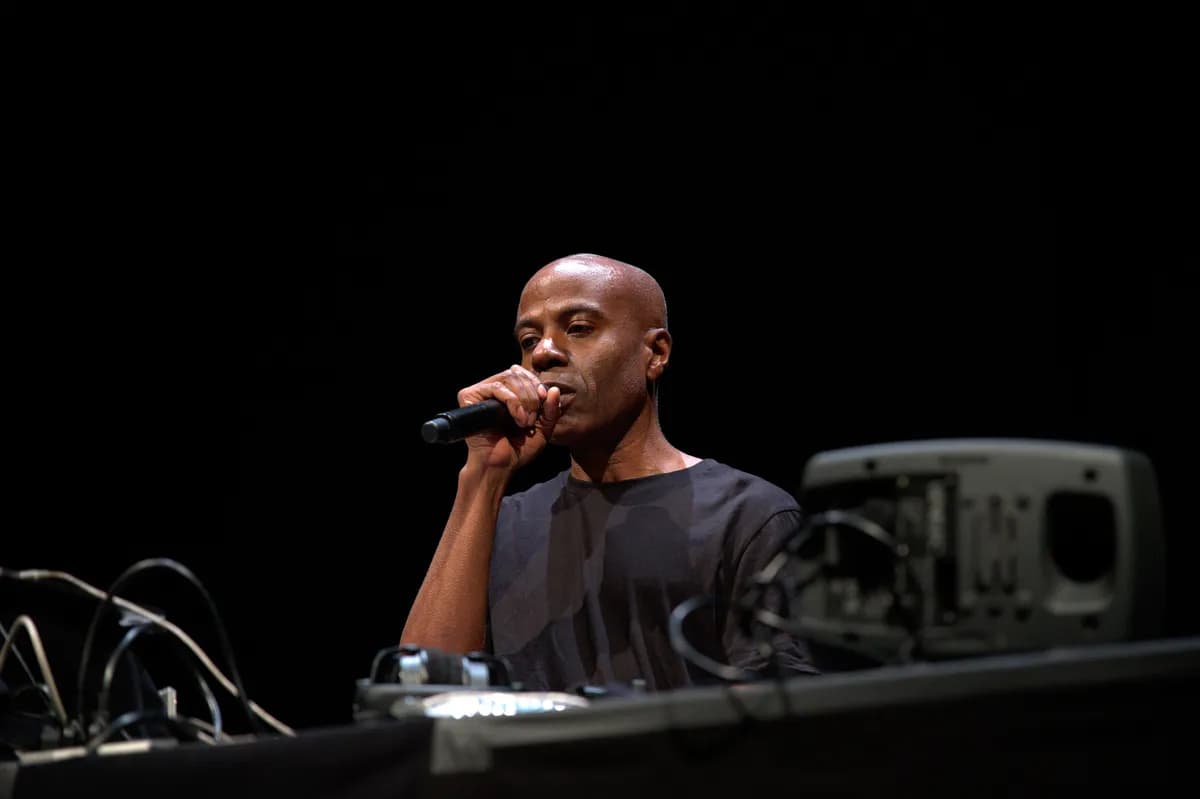

Day two of TOPOS began with another performance by Edward George, The Strangeness of Jazz. Using vinyl records, CDs, and other media, George guided the audience through the music and culture that inspired the Jazz artist Sly Dunbar. Discussions on culture, social history, and prominent musical figures, such as Duke Ellington, Miles Davis, and even Louis Armstrong, marked the chapters of the show, interspersed with musical samples. Edward George's work detailed the evolution of jazz from the late 1960s to the present.
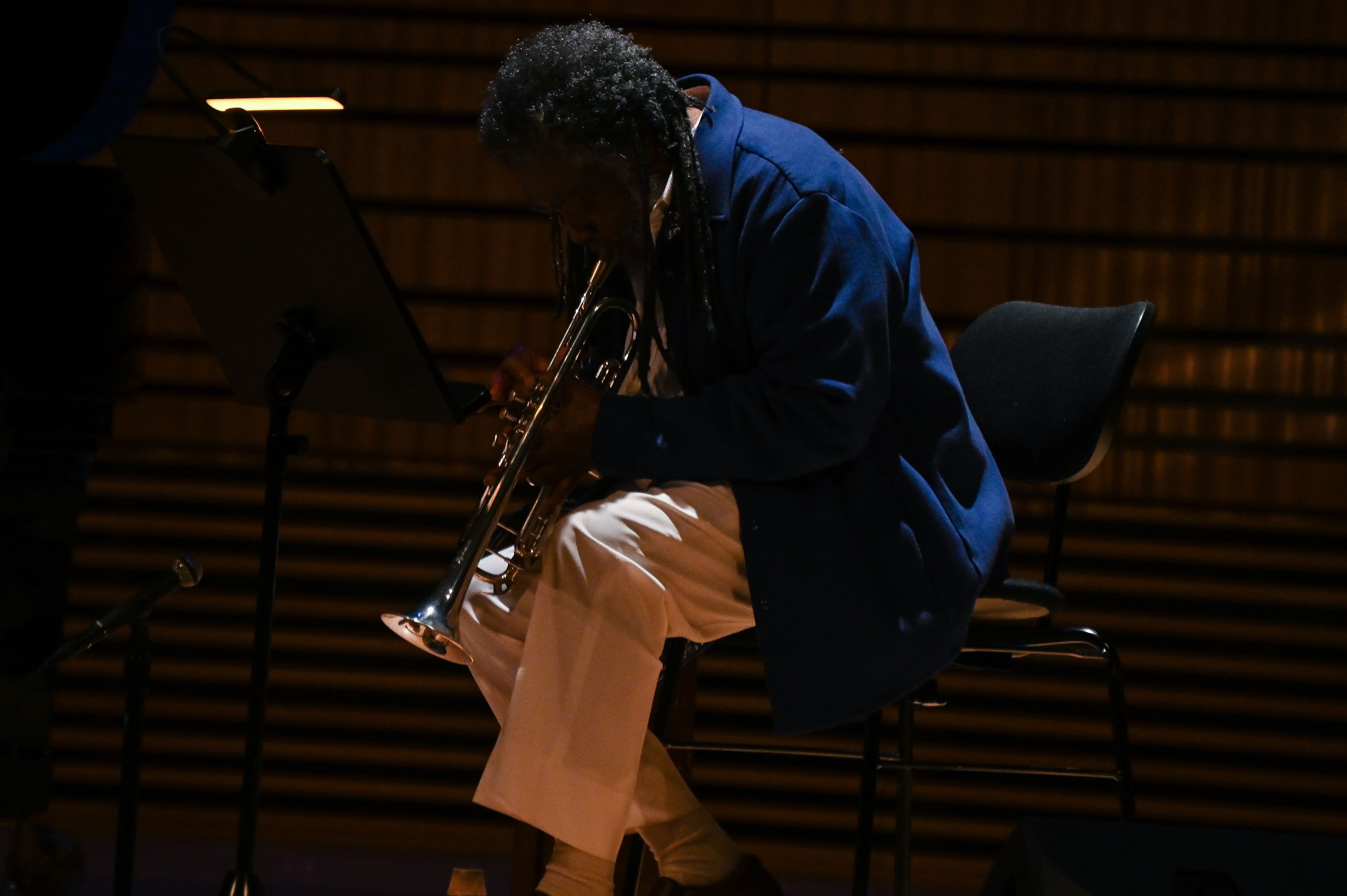
Composers Vijay Iyer and Wadada Leo Smith left the audience moved in the live performance of their 2025 album, Defiant Life. The album was created with deference to the horror of “the past years’ cruelties.” The performance, like the album, was a conversation that gave into anguish at its climax, accentuated by the electronic reverberations on the Rhodes piano and grounded by the smoothness of Smith’s mastery of the trumpet. “The defiant person knows, completely and wholeheartedly, what’s right and what’s wrong, and they cannot be persuaded to think any other kind of way. And that defiance matches their action,” says Smith in his notes on the album.
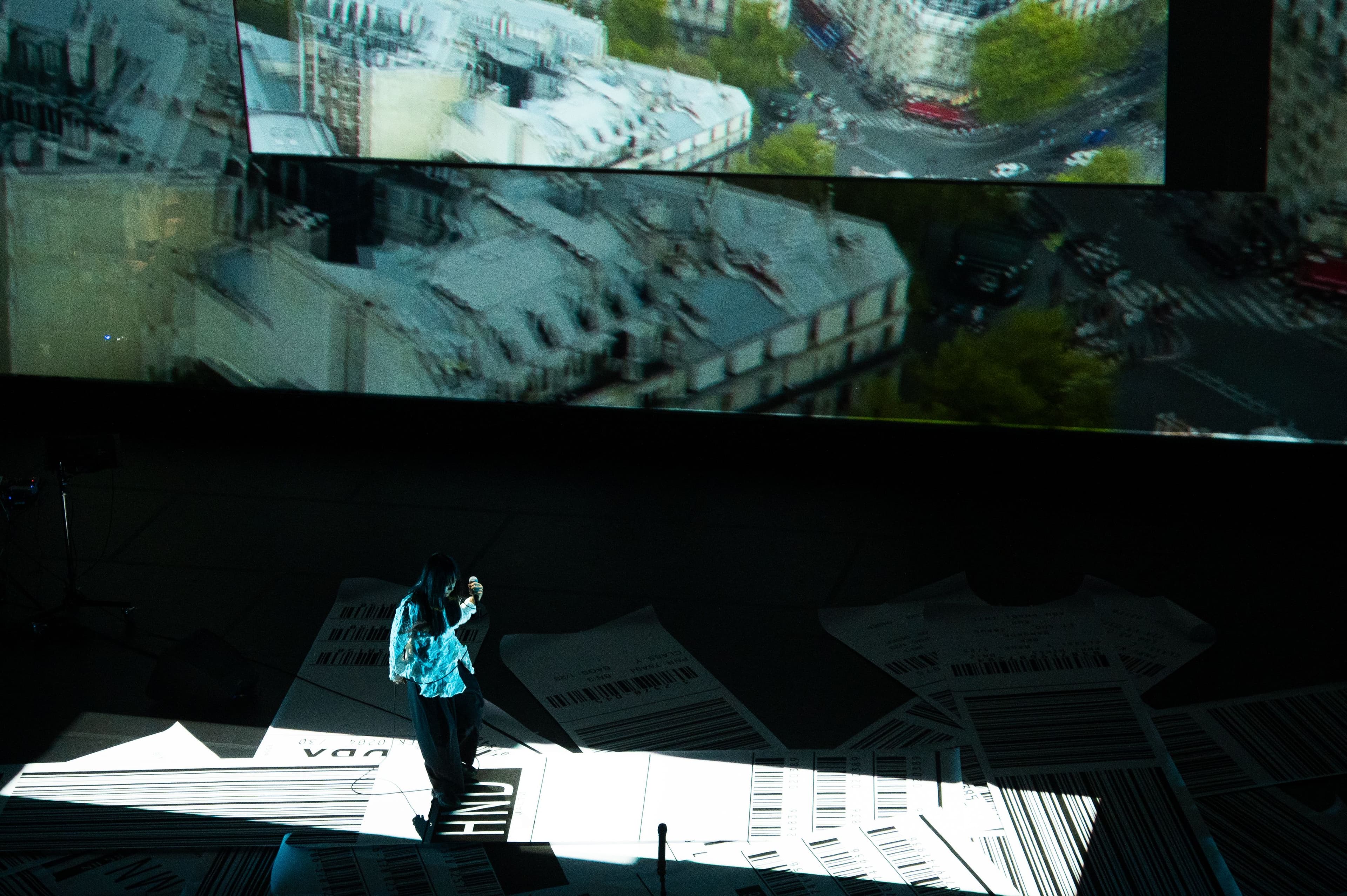
On Friday night, TOPOS wrapped up with Paris Syndrome, a multimedia performance that sought to make a statement. Paris Syndrome is defined as a form of culture shock afflicting Japanese visitors to Paris when they experience the clash between a romanticized version of the city and the “dirty Paris” they see upon arrival.
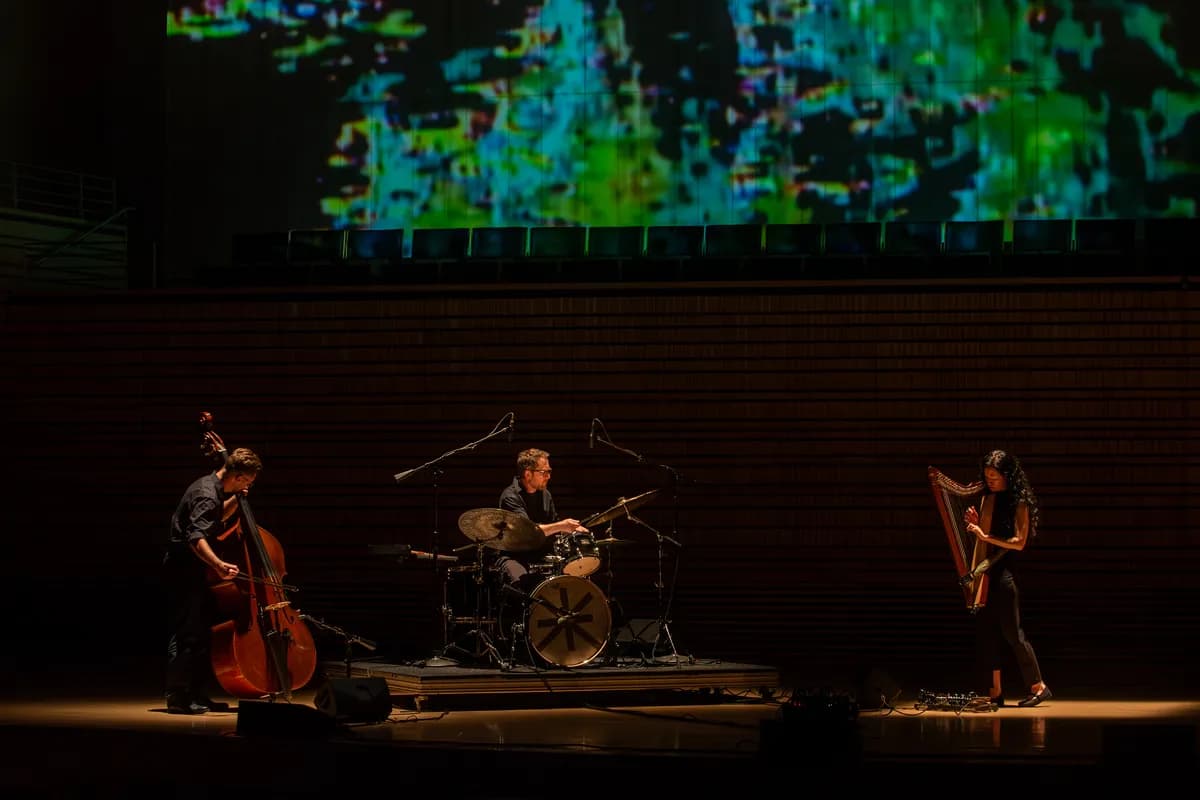
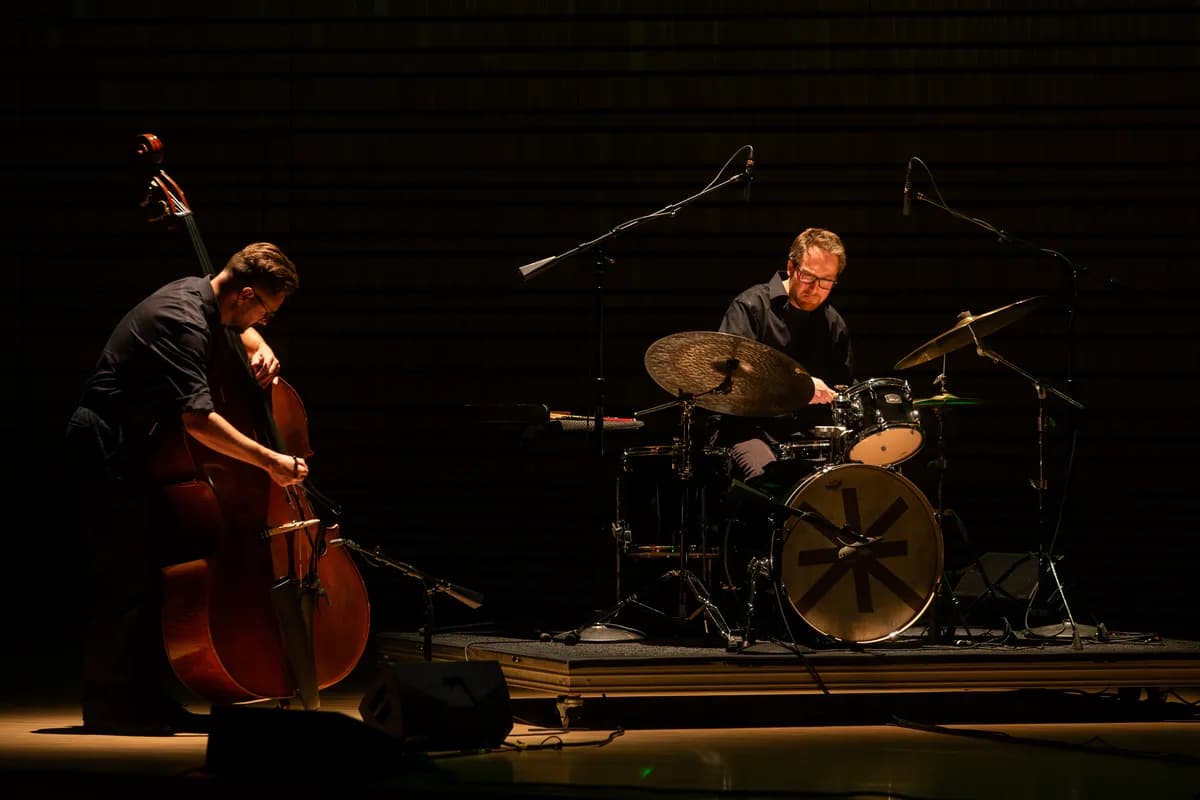
Following the community barbeque held at the East Campus Entrance at EMPAC on Saturday, Improv Spaces treated audio-visual enthusiasts with an electrifying opening set by the Rock City Falls Trio on bass, harp, and drums. The performance was with live analog video glitch art by Derick Noetzel, who routed circuit-bent video hardware and hardware synthesizers into an old cathode-ray tube television, capturing the performance with a video camera to generate pulsing feedback loops of colorful distortions and silhouettes of the band whilst they played. They were followed up by sci-fi jazz duo Sun Dogs, who paired electronic accompaniment with accordion and woodwinds.
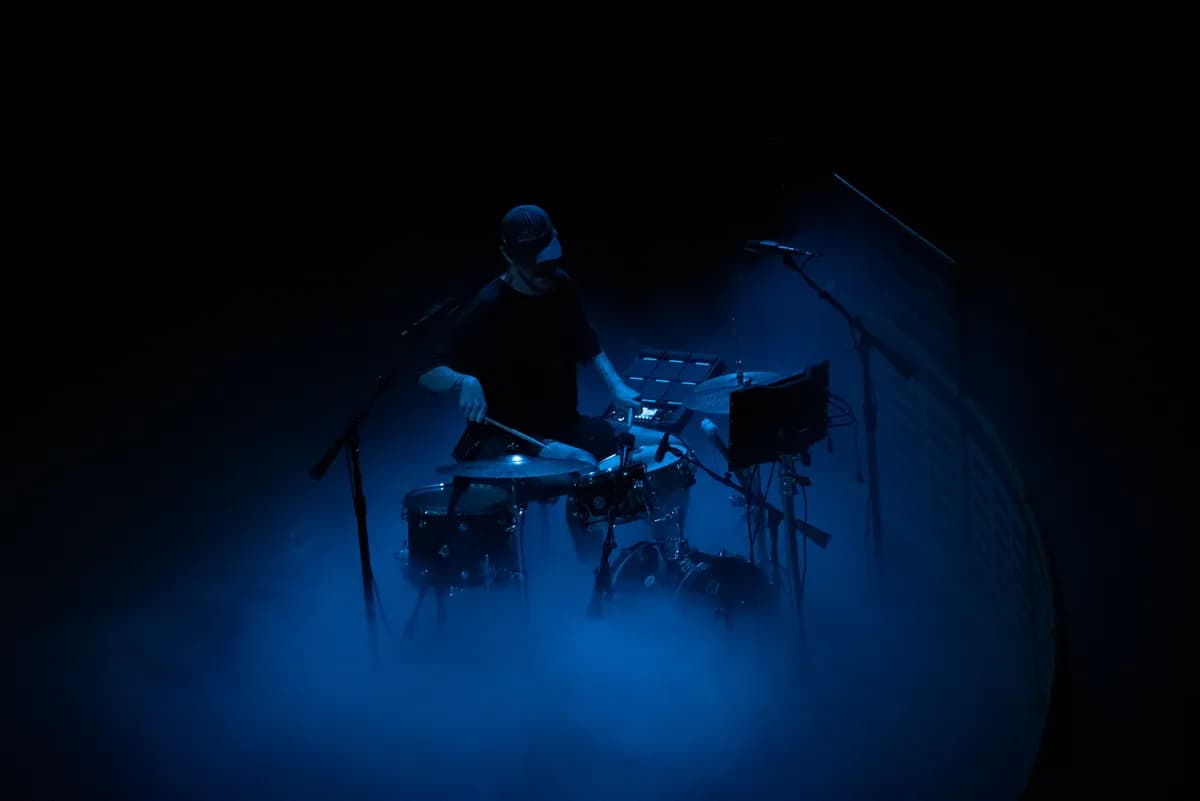
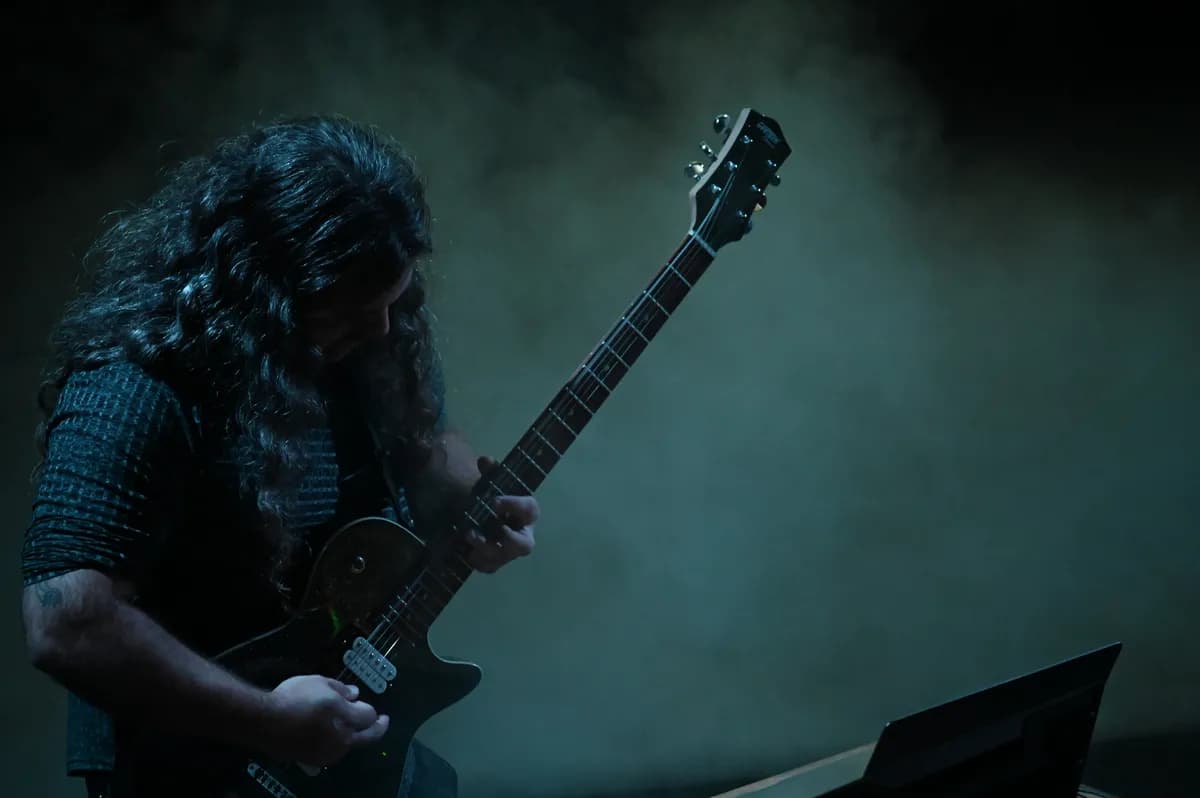
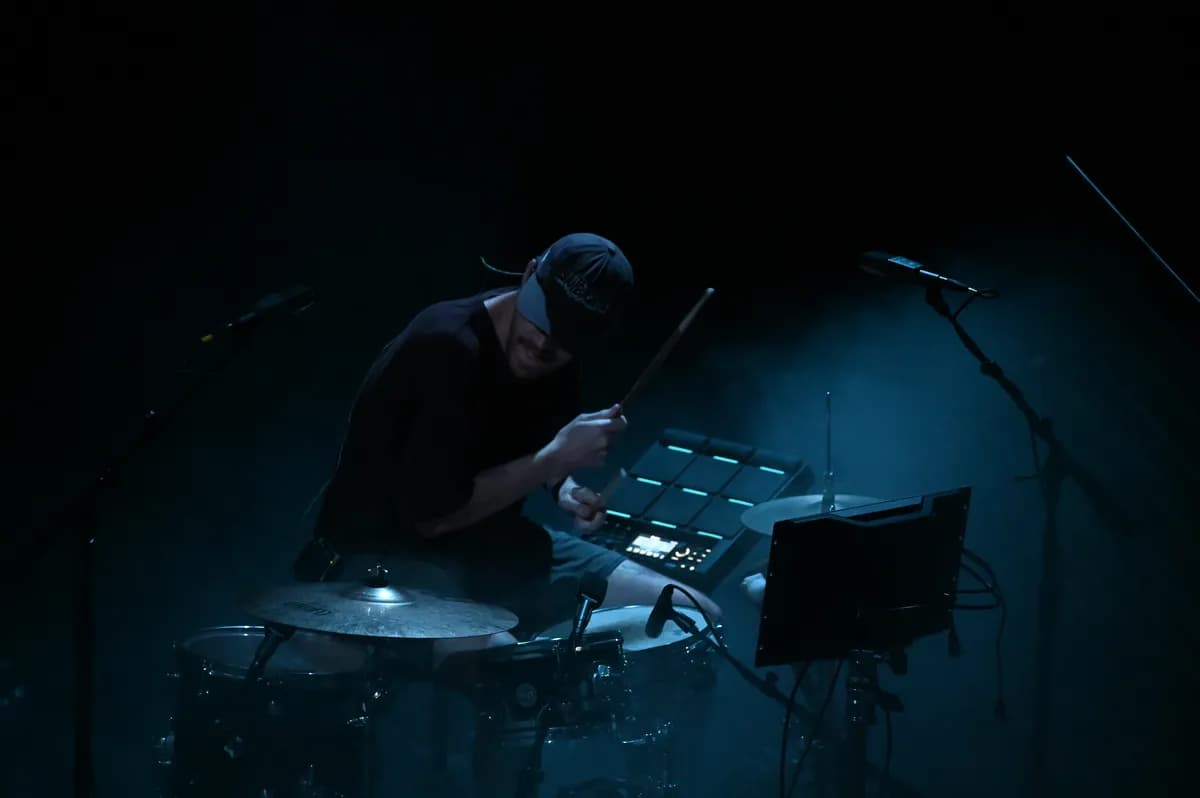
TOPOS concluded on Saturday with “A Page of Madness”, featuring black metal duo “A Silent Light” with Michael Formanski on guitar and Matt Hardy on drums. They played accompaniment to a Japanese silent horror film produced in 1929 and thought to have been lost to time. The live score was meant to mirror the antique cinematic role of benshi in Japan, and live narrators that would provide exposition, voices’ to characters, and poetic observations as silent films would play. Rather than add context, the heavily distorted style of music used by “A Silent Light” instead aimed to highlight the lack thereof, wordlessly expressing the film’s themes of raw fear and confusion.
The festival blended traditional art forms with new ones to challenge the definitions of music at every turn. Watching the series brought a new idea to light every evening, and promised the avid viewer a new perspective on art on stage by the end of it. TOPOS began EMPAC’s season this fall beautifully, and promises a solid collection of performances to come.